Lawn Mowing in Balham

Our lawn mowing in Balham is built around neat, even cutting, tidy edges and a finish that helps a garden look cared for without unnecessary fuss. We focus on the core mowing work first, then add the practical details that make the result feel complete, such as trimming around borders and keeping the cut consistent across the whole lawn. For many homes and shared gardens, that straightforward approach is the most useful way to keep the grass under control.
The service suits regular upkeep as well as one-off attention when grass has got ahead of the schedule. We can support customers who want the lawn cut alone, and those who prefer a broader garden maintenance visit that keeps several small outdoor tasks moving together. The aim is not to overcomplicate the work, but to provide a clear service that leaves the lawn looking deliberate, orderly and ready to use.
To ask for a quotation, simply make contact with the details of your lawn, the size of the space and how often you would like the mowing carried out. A brief description is enough to begin. If you are comparing options, our plain advice is to start with the work you need most, then decide whether the rest of the garden should be included as well.
Regular mowing for tidy, usable grass
Regular mowing is often the simplest way to keep a lawn attractive through the growing season. A consistent cut helps the grass stay manageable, prevents the garden from looking overgrown and makes the space easier to enjoy. We work to a sensible height for the conditions rather than trying to force the lawn into an unsuitable finish, because the cut should suit the grass as well as the garden’s use.
For customers who want a straightforward routine, it can help to think about whether the lawn needs attention every week, every fortnight or only at certain points of the year. A regular pattern supports cleaner edges and a more even appearance. If you want to keep broader outdoor tasks in the same visit, our services overview gives a clear view of the main types of work we handle.
What we focus on during a standard cut
Each mowing visit is centred on the visible surface of the lawn: cutting the grass evenly, dealing with borders and shaping the finish so the area looks cared for rather than merely shortened. Where a lawn has awkward edges or tighter corners, those sections are handled carefully so the result feels balanced. In practical terms, the value of the service is in the consistency of the cut, not in unnecessary extras.
Care for larger or uneven lawns

Some lawns need more than a quick pass with a mower. Slopes, narrow side strips, patchy sections and mixed surfaces can all affect how the grass is cut and how the final result looks. In those settings, mowing needs a steadier, more measured approach so the lawn remains neat without leaving visible missed areas or uneven lines. That is especially relevant where the garden includes both open grass and tighter spaces close to fences, beds or structures.
Where overgrowth is part of the job, the work may need a little more time before the lawn can be brought back into shape. That can include cutting taller grass in stages and tidying the surrounding edges so the area is ready for normal maintenance again. If trimming the boundary growth is also on the list, our hedge trimming page covers that separate type of work in more detail.
A useful quotation request includes the rough size of the lawn, whether the grass is currently maintained, and whether there are steep, narrow or awkward sections. Those details help set the right expectation for the work involved. Clear information about access and layout is often more helpful than long explanations, because it lets the mowing plan stay focused on the actual garden.
Finishing touches that improve the result
Good mowing is not only about the main cut. Edging, cleanup and the handling of awkward perimeters all affect how finished the lawn feels. A neatly mown grass area can still look untidy if the line at the borders is ragged or if clippings are left where they are not wanted. We therefore treat the visible finish as part of the service, not as an afterthought.
Customers often decide between a light tidy and a fuller outdoor visit. If the garden needs more than mowing, a broader garden clearance can be a better fit where there is also accumulated debris or overgrown material to remove. That is a separate kind of work from a normal cut, so it is best to match the request to the actual condition of the space rather than bundling everything into one vague description.
What to mention when requesting a price
For a useful quotation, it helps to mention whether the lawn has access through a side gate, whether there are obstacles around the edges and whether clippings should be left or cleared as part of the job. These are simple points, but they influence the overall shape of the visit. If you are unsure what is relevant, just describe the garden in ordinary terms and note the parts that matter most to you.
Balham gardens and everyday outdoor spaces

Balham is in south London, in the London Borough of Wandsworth, and is closely associated with the everyday mix of residential streets, shops and local green spaces that characterise much of the area. The name is often used for a wider district rather than a single formal boundary, so its identity is shaped as much by transport links and high-street life as by any one landmark. Balham station links the area to both the Underground and mainline rail network, making it a familiar South London stopping point for commuters and local visitors alike.
One of the best-known open spaces nearby is Wandsworth Common, whose broad grassland, trees and paths give the district a valuable green edge. The common has long been part of the local landscape and remains closely linked to leisure walking, sport and informal recreation. Balham itself also sits close to the stretch of the River Wandle corridor further south-east, while the surrounding neighbourhoods of Clapham, Tooting and Streatham place it within a busy belt of dense urban housing, varied architecture and active local life.
The area’s built environment includes Victorian and Edwardian residential streets, interwar development and later apartment blocks, with many gardens adapted over time to smaller plots, shared access and practical outdoor use. That mixture gives the district a varied visual character: some streets feel leafy and established, others more compact and contemporary. Local shopping streets, cafés and transport routes add to the sense of an everyday town centre rather than a purely residential suburb.
Keeping lawns presentable through the seasons
Grass grows in response to weather, shade and the general character of the garden, so mowing is rarely a one-size-fits-all task. In cooler or wetter spells, growth can be uneven; in warmer periods, lawns can change pace quickly and benefit from more regular attention. A sensible mowing plan follows those changes rather than assuming the same interval will always work. The important outcome is a lawn that looks even and remains practical to use.
Some customers also prefer to combine mowing with a broader review of the garden’s condition, especially where areas have started to feel uneven or untidy. In those cases, a more general landscape gardening discussion may be useful if you are thinking about how the space should function over time. That is a different level of work from mowing alone, but it can be relevant when the lawn is part of a wider outdoor plan.
If the lawn is only one part of a larger garden that also needs shaping, it is usually best to decide which features matter most: the grass surface, the edges, any overgrowth or any separate planting areas. Being specific keeps the quotation process simpler and usually leads to a better match between the work requested and the final result. You do not need a formal plan; a clear description is enough.
Related garden work that can sit alongside mowing
Although lawn mowing is the main service here, some gardens also benefit from associated work that keeps the overall space coherent. Where the grass is cut neatly but the beds, paths or boundary growth are still untidy, the garden can look only partly finished. That is why it can make sense to review the whole outdoor area and decide which tasks genuinely belong together, rather than requesting unrelated work in a scatter of small jobs.
- Grass cutting for routine upkeep or catch-up tidying
- Edge trimming where lawn borders need a sharper outline
- Removal of light garden waste if the space has become cluttered
- Maintenance visits where the lawn is part of a wider care plan
If you need help with woody growth as well, our tree lopping and removal page covers that more specific type of work. It is separate from mowing, but it can matter where branches, self-seeded growth or larger obstacles affect the shape and usability of the garden. The key is to choose the service that matches the problem you actually have.
How to prepare a clear mowing enquiry

A good enquiry usually includes the basics: the approximate size of the lawn, whether the grass is currently short or overgrown, and whether there are access issues that could affect the visit. If there are steps, narrow side passages or areas with limited turning space, it is worth mentioning them early. That does not need to be written formally; a practical description is enough for a useful response.
It also helps to say whether you want a one-off cut or repeat mowing, because the approach may differ depending on the condition of the lawn and how often you want it maintained. If you are also thinking about the boundaries of the garden, our landscaping page is there for broader outdoor changes that go beyond a simple mowing appointment. For a more routine request, plain details about the grass itself are usually the most relevant starting point.
One clear note about the garden often beats a long message with too many general comments. Mention what needs cutting, how often you want it done and anything unusual about the layout, then ask for a quotation. That keeps the process efficient without turning it into an unnecessary checklist.
Balancing mowing with other outdoor priorities
In many gardens, mowing is only one part of keeping the space presentable. Some owners are mainly concerned with the lawn itself, while others want the grass to fit neatly alongside planting, paving or fence lines. The most useful mowing service is the one that respects those priorities rather than treating every garden as if it needed the same finish. A neat lawn can be a feature in its own right, but it should also sit comfortably within the wider layout.
Where the garden includes hard surfaces or external structures, it can help to think about how the mowing line meets those features. Borders, corners and narrow strips may call for a more careful pass than the open centre of the lawn. If the overall outdoor area needs more than mowing, the broader decking services page may be relevant for gardens where timber features are part of the setting.
That said, the mowing itself should remain the main focus when the lawn is the issue. The service is designed to bring the grass back into a tidy condition and maintain that appearance with sensible regular attention. If you are ready to move ahead, send the details that matter and request a quotation in ordinary words.
Getting the mowing work started
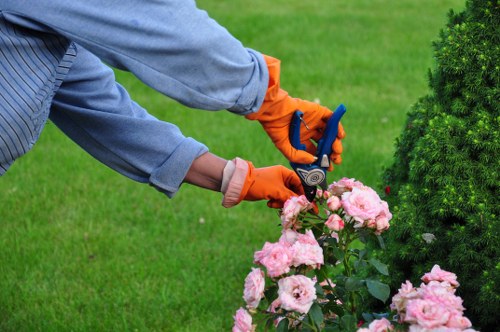
We keep the service simple: mow the lawn, tidy the edges and leave the area looking orderly. That direct approach works well for front gardens, rear lawns and shared spaces where neatness matters more than elaborate treatment. If your grass has become difficult to manage, or if you are simply after a reliable routine, a clear mowing request is the easiest way to begin. It helps to say what the lawn looks like now and what result you want from it.
For gardens that also need ongoing upkeep beyond the grass, a combined approach may be more practical. Our about us page gives a broader sense of the business, while the pricing and quotes page can help you think about the details to include in an enquiry. If you prefer, you can still keep the first message brief and use it simply to ask for a quotation on the mowing work.
To finish, send a straightforward note with the lawn details, the access conditions and your preferred timing. We will use that to shape a quotation that matches the work you actually need. If you are ready, ask for your quote today.


